
Understanding Natural Nutritional Pathways for Male Physiological Balance and Vitality
An independent, non-commercial reference dedicated to exploring the roles of macronutrients, micronutrients, botanical compounds, and lifestyle principles in supporting overall male well-being — presented in a factual, educational context.
Educational content only. No promises of outcomes.
Foundational Principles of Male Physiological Balance
Understanding the mechanisms through which the body maintains its internal equilibrium is fundamental to any discussion of nutritional support. Male physiology, like all human biology, operates through a complex network of interdependent systems. The following principles outline the conceptual framework that underlies any discussion of dietary influence on well-being.
These are not prescriptive guidelines but rather structural observations about how biological systems are understood to function in a balanced state.
-
Metabolic Homeostasis
The body continuously regulates energy production and utilisation through enzymatic pathways that depend on an adequate supply of specific cofactors, including vitamins and minerals, derived from dietary intake.
-
Nutritional Sufficiency
Adequate intake of essential macronutrients — proteins, carbohydrates, and lipids — provides the foundational substrate for cellular maintenance, tissue regeneration, and systemic energy reserves.
-
Micronutrient Interdependence
Vitamins and minerals rarely act in isolation. Their biological roles are often synergistic, meaning the presence and availability of one compound may influence the absorption or function of another.
-
Oxidative Balance
Cellular health is partly maintained through a balance between oxidative processes and antioxidant defences. Dietary antioxidants, found in a wide variety of plant-based foods, contribute to this equilibrium.
-
Systemic Integration
No single nutrient or compound operates independently of the broader physiological context. The overall quality, diversity, and consistency of dietary patterns is considered more relevant than any isolated component.
-
Adaptive Capacity
Human physiology has evolved substantial adaptive mechanisms. Consistent nutritional support over time is understood to interact with these mechanisms, rather than provide rapid or isolated effects.
Key Nutritional Categories for Male Vitality
A broad overview of the principal categories of nutritional compounds relevant to male physiological well-being. Each category represents a distinct class of compounds with specific, documented general functions within the body.

Vitamins
Organic compounds required in small but consistent amounts to support enzymatic reactions, cellular function, immune response, and energy metabolism. They are broadly classified as fat-soluble (A, D, E, K) and water-soluble (B-complex, C), each with distinct absorption and storage characteristics.
Minerals and Trace Elements
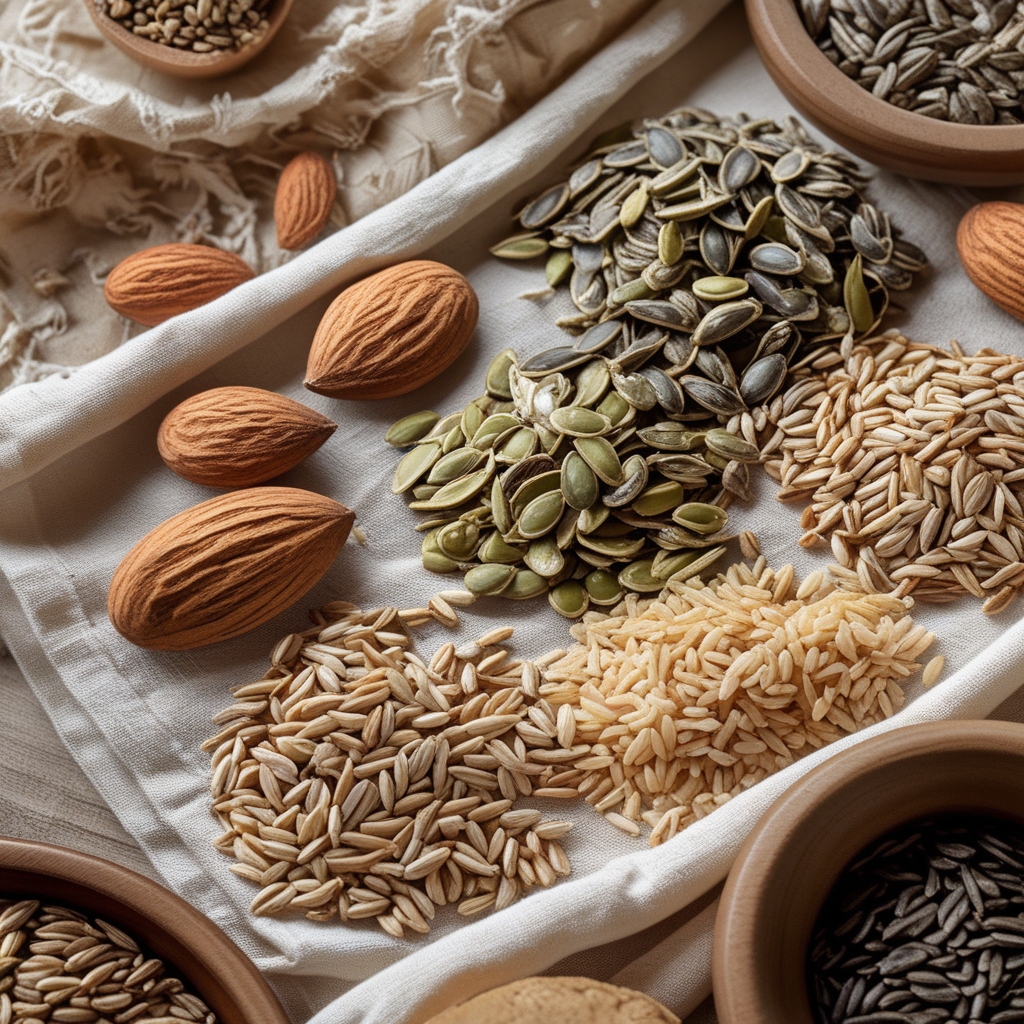
Inorganic elements that serve as structural components and biochemical regulators. Macro-minerals such as calcium, magnesium, and phosphorus are required in larger quantities, while trace elements including zinc, selenium, and iron are needed in smaller but equally essential amounts.
Essential Macronutrients
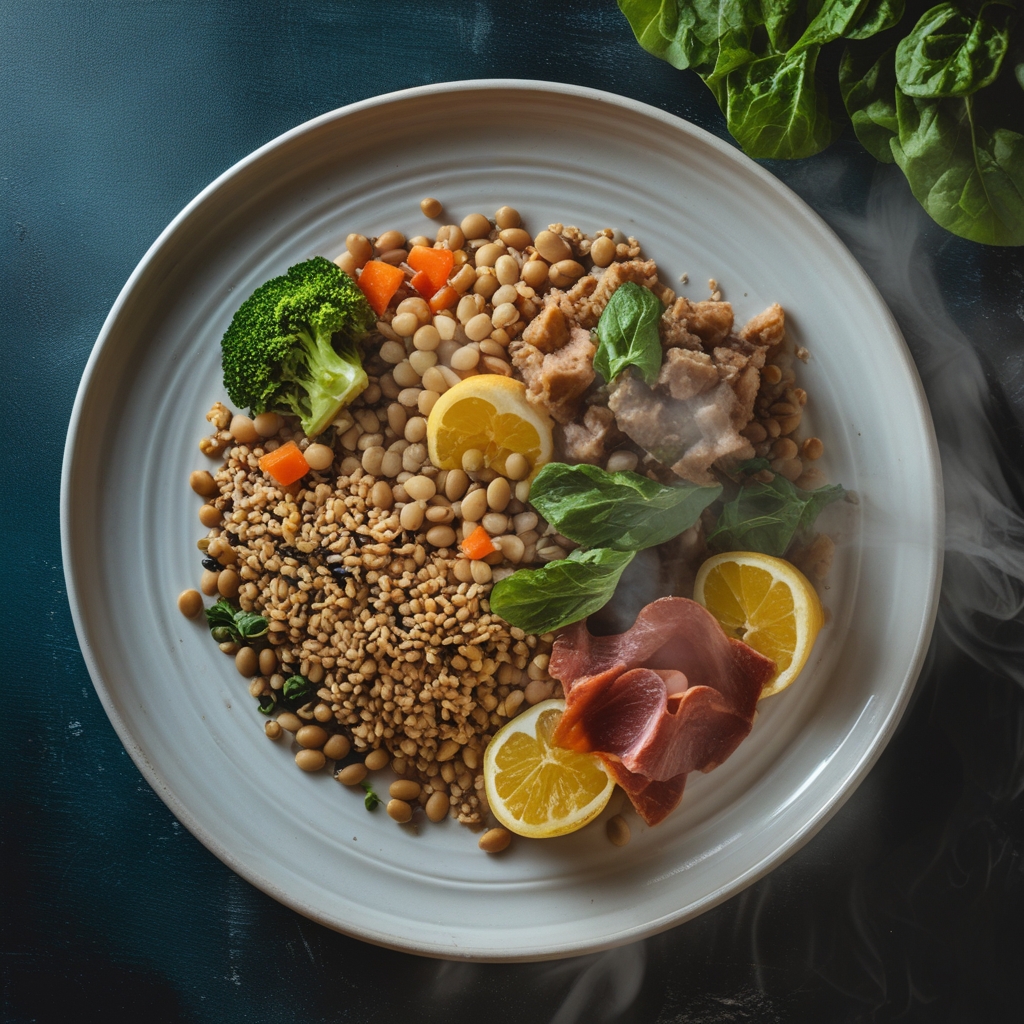
The three primary macronutrient classes — proteins, carbohydrates, and fats — provide energy and structural substrates. Their relative proportions in the diet influence metabolic pathways, body composition maintenance, and overall physiological function.
The Role of Diet and Lifestyle in Supporting Well-being
Dietary patterns and habitual lifestyle behaviours form the primary environmental inputs that influence physiological function over time. The following areas represent key domains where consistent behavioural choices interact with underlying biological systems.
A Note on Contextual Interpretation
The information below describes general relationships between lifestyle factors and physiological function as understood in nutritional science literature. It does not constitute individual advice or a prescription for specific behaviours.
Dietary Pattern Consistency
Long-term nutritional outcomes are associated with sustained dietary patterns rather than short-term interventions. Consistent consumption of diverse, whole-food-based meals supports the continuous availability of essential micro- and macronutrients.
Sleep and Circadian Rhythm
Restorative sleep is recognised as a period of significant physiological repair and regulatory activity. Disruption of circadian rhythms is associated in the literature with alterations in metabolic and endocrine regulation.
Physical Activity
Regular moderate physical activity is a well-documented lifestyle factor associated with metabolic efficiency, cardiovascular function, and the modulation of inflammatory markers. Its effects on nutrient utilisation are significant.
Hydration and Fluid Balance
Adequate hydration is fundamental to virtually all biochemical processes. Water serves as the medium for nutrient transport, enzymatic reactions, and thermal regulation throughout the body.
Understanding Micronutrients: Vitamins and Minerals
The table below provides a reference overview of selected vitamins and minerals, outlining their chemical classification, primary dietary sources, and general documented functions within the body. No claims of specific health outcomes are made.
| Compound | Type | Common Dietary Sources | General Physiological Role | Solubility / Form |
|---|---|---|---|---|
| Vitamin DVitamin | Fat-soluble | Sunlight exposure, fatty fish, egg yolk, fortified foods | Supports calcium absorption, bone mineralisation, and immune modulation. Involved in numerous cellular signalling pathways. | Fat-soluble; stored in adipose tissue |
| Vitamin B12Vitamin | Water-soluble | Animal products: meat, fish, dairy, eggs | Essential for red blood cell formation, neurological function, and DNA synthesis. Acts as a coenzyme in metabolic reactions. | Water-soluble; requires intrinsic factor for absorption |
| ZincMineral | Trace element | Red meat, shellfish, legumes, nuts, seeds | Cofactor for over 300 enzymatic reactions. Involved in immune function, protein synthesis, wound healing, and cellular division. | Divalent cation; absorbed in small intestine |
| MagnesiumMineral | Macro-mineral | Leafy greens, nuts, seeds, legumes, whole grains | Involved in over 600 enzymatic reactions, including energy production (ATP synthesis), protein synthesis, and nerve signal transmission. | Divalent cation; various forms differ in bioavailability |
| SeleniumMineral | Trace element | Brazil nuts, fish, meat, whole grains | Incorporated into selenoproteins that function as antioxidant enzymes (e.g., glutathione peroxidase). Supports thyroid metabolism. | Organic and inorganic forms; selenomethionine preferred |
| Vitamin CVitamin | Water-soluble | Citrus fruits, bell peppers, broccoli, strawberries | Antioxidant; essential for collagen synthesis, immune function, and non-haem iron absorption. Acts as a reducing agent in enzymatic reactions. | Water-soluble; not stored; requires regular dietary intake |
| Vitamin EVitamin | Fat-soluble | Nuts, seeds, vegetable oils, green leafy vegetables | Lipid-soluble antioxidant that protects cell membranes from oxidative modification. Supports immune function and gene expression. | Fat-soluble; eight natural forms, alpha-tocopherol most active |
| IronMineral | Trace element | Red meat, organ meats, legumes, fortified cereals | Central component of haemoglobin and myoglobin. Essential for oxygen transport, cellular energy production, and DNA synthesis. | Haem (animal) and non-haem (plant) forms; haem more bioavailable |
| Vitamin AVitamin | Fat-soluble | Liver, dairy, eggs; beta-carotene from carrots, sweet potato | Required for vision, immune function, cellular growth and differentiation, and reproduction-related processes. | Fat-soluble; retinol (preformed) and carotenoids (provitamin A) |
| Folate (B9)Vitamin | Water-soluble | Leafy greens, legumes, fortified cereals | Critical for DNA synthesis and repair, cell division, and amino acid metabolism. Essential during periods of rapid growth. | Water-soluble; synthetic folic acid more stable than food folate |
Informational context only: The values and descriptions above reflect general nutritional science literature and are intended for educational reference. They do not represent recommendations for any specific intake or individual.
Botanical Extracts and Their Traditional Uses
Plant-derived compounds have been incorporated into traditional dietary and wellness practices across numerous cultures for centuries. The following overview presents select botanical materials from a historical and compositional perspective, without making claims regarding their efficacy for any specific outcome.

Panax Ginseng
Among the most extensively documented botanical extracts in both Eastern and Western literature, Panax ginseng has been used in traditional East Asian practices for thousands of years. The root contains a class of compounds known as ginsenosides, which are steroidal saponins unique to the genus.
Historical records from Chinese, Korean, and Japanese traditions describe its use in contexts related to general vitality and adaptive capacity. Contemporary phytochemical research has characterised its molecular composition, though the precise mechanisms of its biological interactions remain an active area of academic study.

Withania Somnifera (Ashwagandha)
A root used extensively within the Ayurvedic tradition of South Asia, Withania somnifera is classified within that system as a rasayana — a category of preparations associated with promoting general vitality and longevity. The plant contains withanolides, steroidal lactones that form the basis of most pharmacognostic investigations.
In traditional contexts, preparations of the root were consumed as powders mixed with milk or ghee. Contemporary botanical research focuses on characterising its alkaloid and withanolide content and understanding its interactions with cellular stress response pathways.

Curcuma Longa (Turmeric)
Originating in South and Southeast Asia, the rhizome of Curcuma longa has been a fundamental component of both culinary and traditional wellness practices for over four thousand years. Its characteristic golden-yellow colour derives from curcuminoids, most notably curcumin, which represents a polyphenolic compound of significant scientific interest.
Turmeric's traditional use spans Ayurvedic, traditional Chinese, and Indonesian practices. Research into curcumin's biochemical properties has produced a substantial body of literature examining its interaction with inflammatory signalling pathways, though bioavailability challenges remain an active research topic.
Common Misconceptions in Nutritional Support
The field of nutritional science is frequently subject to oversimplification and misrepresentation in popular discourse. The following blocks address recurring misconceptions with factual, neutral clarification.
"More is always better when it comes to vitamins and minerals."
A widespread assumption holds that consuming larger quantities of vitamins and minerals will proportionally increase their positive effects on the body.
Nutritional thresholds and upper limits
The body's utilisation of most micronutrients follows a dose-response relationship that plateaus at sufficiency and, in many cases, becomes counterproductive at high intakes. Fat-soluble vitamins (A, D, E, K) accumulate in adipose tissue and can reach toxic levels. Established scientific bodies define both recommended intakes and tolerable upper limits for this reason.
"Natural compounds are inherently safe at any dose."
Because a compound is derived from a plant or natural source, it is often assumed to be without risk regardless of quantity or context of use.
Natural origin does not determine safety profile
The biological origin of a compound does not determine its pharmacological safety profile. Many plant-derived compounds are biologically active and interact with physiological processes. Dose, form, and individual context all influence how any compound interacts with the body. Nutritional science evaluates compounds based on their chemical properties, not their source.
"A single 'superfood' can comprehensively address nutritional needs."
Popular media frequently presents individual foods or compounds as comprehensive solutions for nutritional needs.
Dietary diversity as the primary principle
No single food or compound contains all essential nutrients in adequate proportions. Nutritional science consistently emphasises dietary diversity as the most reliable means of ensuring complete micronutrient and macronutrient coverage. The concept of a comprehensive single-source solution is not consistent with the current scientific understanding of nutritional biochemistry.
"Immediate changes in how one feels indicate nutritional correction."
People frequently interpret rapid subjective changes following a dietary modification as evidence of direct nutritional correction.
Subjective experience and physiological measurement
Subjective wellbeing is influenced by numerous factors including sleep, stress, hydration, and the placebo effect. Measurable nutritional status changes, such as alterations in serum micronutrient levels, typically occur over weeks to months and require laboratory assessment. Subjective experience alone is not a reliable indicator of biochemical status.
Global Approaches to Well-being: A Comparative Overview
Different cultural and scientific traditions have developed distinct conceptual frameworks for understanding and supporting male physiological well-being. These approaches reflect diverse epistemological foundations and have each produced a body of traditional knowledge and, increasingly, scientific investigation.
Traditional Chinese and Korean Frameworks
Eastern Asian traditions have developed highly systematised models of physiological balance, including the concept of qi (vital energy) and the interplay of complementary forces. Dietary recommendations within these systems are tailored to constitutional type and seasonal variation, emphasising the role of specific foods and preparations in maintaining internal equilibrium.
Ayurvedic Tradition
The Ayurvedic system, originating in the Indian subcontinent and documented in texts dating back over three thousand years, classifies individuals according to constitutional types (doshas) and prescribes dietary and lifestyle patterns accordingly. Rasayana preparations — intended to support general vitality and longevity — represent a distinct pharmacopoeia of botanical compounds within this tradition.
Mediterranean Dietary Heritage
The traditional dietary patterns of Mediterranean populations have been subject to extensive epidemiological research. Characterised by abundant plant foods, olive oil, moderate fish consumption, and limited refined carbohydrates, this dietary pattern is one of the most studied in relation to metabolic and cardiovascular markers in the nutritional literature.
Nordic Nutritional Frameworks
Nordic countries have a distinct nutritional heritage shaped by geography and climate. Traditional dietary patterns emphasise fermented foods, cold-water fish rich in omega-3 fatty acids, root vegetables, and whole grains. Contemporary Nordic nutritional guidelines reflect both this heritage and current evidence-based frameworks, emphasising sustainability and whole-food consumption.
African Traditional Botanical Knowledge
West African traditional practices include an extensive pharmacopoeia of plant-derived materials used in dietary and wellness contexts. Many of these botanical materials are now subjects of phytochemical research, with investigators characterising their alkaloid, flavonoid, and polyphenol content. Traditional knowledge systems in this region represent a significant and underresearched area of ethnobotanical study.
Andean and Amazonian Traditions
The biodiversity of the Amazon basin and Andean highlands has produced a distinctive set of botanical materials with long histories of traditional use. Plants such as maca (Lepidium meyenii) from the Peruvian highlands and various Amazonian adaptogens are now subjects of international scientific investigation, reflecting growing academic interest in ethnobotanical knowledge from this region.
Frequently Asked Questions
The following questions address common points of enquiry regarding the content and purpose of this educational resource. Answers are provided in a neutral, informational context.
Information Standards
All content on this site is developed from publicly available nutritional science literature and historical ethnobotanical records. Sources are evaluated for academic and scientific credibility. No commercial considerations influence the presentation of information.
Uquala is an independent educational resource that presents information about natural nutritional pathways and their general relationship to male physiological balance. The site does not sell products, provide individual consultations, or make claims about specific health outcomes. Its sole purpose is to explain and contextualise nutritional concepts.
The materials on this site are for informational purposes only. They do not constitute individual recommendations or advice of any kind. Various approaches exist in daily life, and the information here is not a substitute for personal decisions or professional consultation. Any significant changes to diet or lifestyle should be considered in the context of individual circumstances.
Content is based on established nutritional science literature, including peer-reviewed publications, guidelines from recognised nutritional bodies, and documented ethnobotanical records. Descriptions of general physiological functions reflect widely accepted scientific understanding. No proprietary research or commercial sources influence the content.
No. Uquala does not sell, endorse, or recommend any specific products, supplements, or commercial services. The site has no commercial relationships with any producers or retailers. All content is presented purely in an educational context. No pricing, purchasing options, or product endorsements appear anywhere on this site.
In this educational context, "physiological balance" refers to the general state in which the body's biological systems — metabolic, circulatory, neurological, and endocrine — are operating within their normal functional ranges. This is a broad descriptive term used in nutritional science to describe adequate systemic functioning, not a specific outcome or condition.
Uquala does not collect, store, or process personal data from site visitors beyond what is strictly necessary for basic site functionality. No tracking cookies, analytics platforms, or third-party advertising systems are employed. The contact form is for general content enquiries only and submissions are not stored or processed as personal data. Full details are available in the Privacy Policy.
Materials Context and Limitations: The materials on this site are for informational purposes only. They do not constitute individual recommendations or advice. Various approaches exist in daily life, and the information here is not a substitute for personal decisions or professional consultation. The content describes general nutritional science concepts and does not address any specific individual's circumstances, requirements, or health status.
Explore the Nutritional Compound Index
The nutritional index presents an organised reference of six compound categories, each with contextual descriptions, general physiological roles, and background information drawn from nutritional science literature.
Explore Nutritional Index Understand Context